
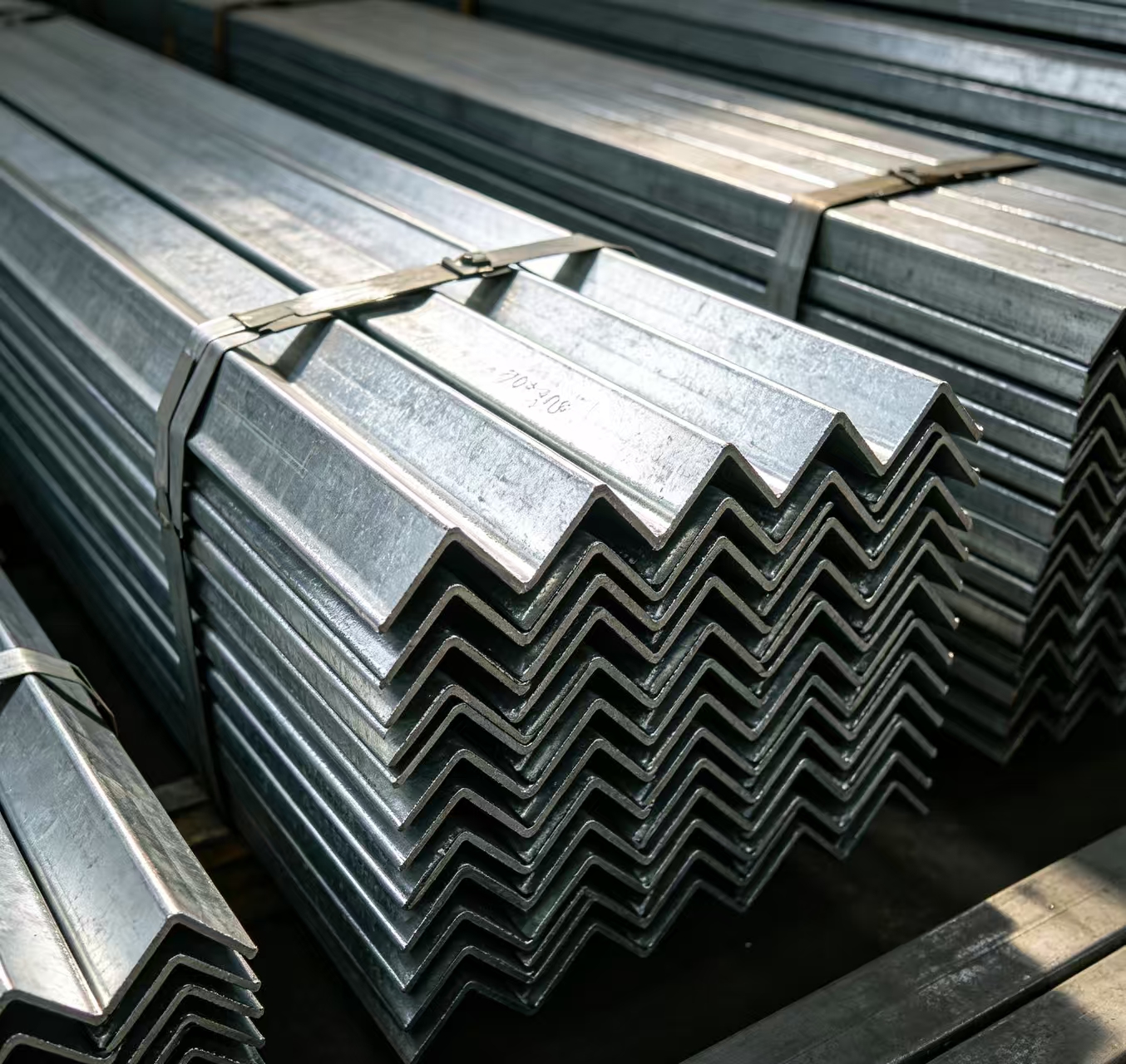

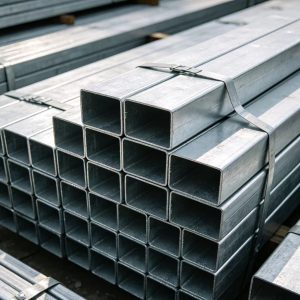
galvanized angle steel connects buyers with verified suppliers, manufacturers, and distributors for Galvanized angle steel across CN. Steelwaalaa is built for supplier discovery, quote requests, and side-by-side sourcing decisions instead of direct retail checkout.
Use this Galvanized angle steel page to review the available product details, compare supplier capabilities, and shortlist companies that match your grade, coating, standard, and dimensional needs. When technical data is available, Steelwaalaa makes it easier to qualify suppliers before you request pricing.
Available Product Details
- Category: Galvanized Steel
- Country: CN
- SKU: 70*70*6
Because galvanized angle steel is sourced through a marketplace, buyers can compare multiple supplier profiles, confirm regional availability, and request quotes from businesses that fit their procurement needs. This helps procurement teams move from product research to supplier outreach faster, with better visibility into the market.
If some specifications are still missing, start with the verified supplier listings on Steelwaalaa, review company capabilities, and request more detail before placing your next enquiry for Galvanized angle steel.
Reviews
There are no reviews yet.